
Independent medical evidence
Medical Evidence to Support Your VA Disability Claim
Independent medical opinions and nexus letters for veterans working through the VA disability claims process. Based in Tampa Bay, serving veterans across the country.
What a nexus letter is
One piece of evidence, not a decision
A nexus letter is a written medical opinion connecting your diagnosed condition to an event, injury, or exposure during service. Being straight with you about its limits is part of doing this properly.
What it can do
Inside the scope of a medical opinion.
- Give a licensed physician’s opinion, based on your records, on whether your condition is at least as likely as not related to service
- Explain the medical reasoning behind that opinion in the terms the VA evaluates
- Address a gap where your existing records don’t clearly document the connection
- Speak to secondary conditions and delayed-onset conditions the record doesn’t obviously link
What it can't do
Outside it, and we won’t pretend otherwise.
- Guarantee your claim will be approved
- Guarantee a rating percentage. Ratings are the VA’s decision, not ours
- Override the VA’s review of your complete claim file
- Replace a VSO or accredited attorney. We don’t file claims and we don’t give legal advice
Who we work with
Veterans and families at every stage
Denied or stalled
You've been denied, or you've been at this for years
A denial often means the evidence wasn’t strong enough, not that you don’t qualify. We review what’s already in your file and identify where it can be strengthened.
Missing records
Your service records are incomplete or destroyed
Records lost to fires, administrative errors, or incomplete files don’t automatically end a claim. We look at what evidence is still available and what alternative documentation may help.
Toxic exposure
Burn pits, Agent Orange, Camp Lejeune, Gulf War
Presumptive and exposure-related conditions carry their own evidence requirements. We evaluate these claims regularly.
Specialized evaluations
You need something beyond a standard nexus letter
Cause of Death, Aid & Attendance, TDIU, Specially Adapted Housing and more each require specific medical documentation.
Family & caregivers
You're doing the research on someone else's behalf
Spouses, adult children, and caregivers are often the ones asking the questions. We’ll walk through the process with you directly.
Not sure yet
You don't know whether you qualify
Many veterans don’t realize a current condition may be connected to service, especially secondary conditions. That’s worth a conversation before you assume the answer is no.
How it works
Five steps, in order
We read the file first. Everything after that depends on what’s actually in it.
Step 01
Tell us about your claim
A brief description of your condition and where you are in the VA process.
Step 02
Share relevant records
Medical records and service records related to your condition, sent through a secure intake.
Step 03
Medical review
A physician assesses whether the evidence supports a medical opinion on service connection.
Step 04
Documentation, if supported
Where the evidence supports it, we prepare a nexus letter or other documentation for your claim.
Step 05
You submit it with your claim
We’re one part of your evidence file, not a substitute for a VSO or attorney if you need help with the filing itself.
Conditions
How service connection typically works, condition by condition
Rating criteria and evidence requirements differ widely. Each page walks through what usually matters for that diagnosis.
Secondary conditions
Conditions caused or worsened by another service-connected condition
A secondary claim connects a current condition to one the VA has already service-connected, rather than to service directly. These are the connections we are asked about most.
Meet our team
The people who make this decision, and what qualifies them to make it.
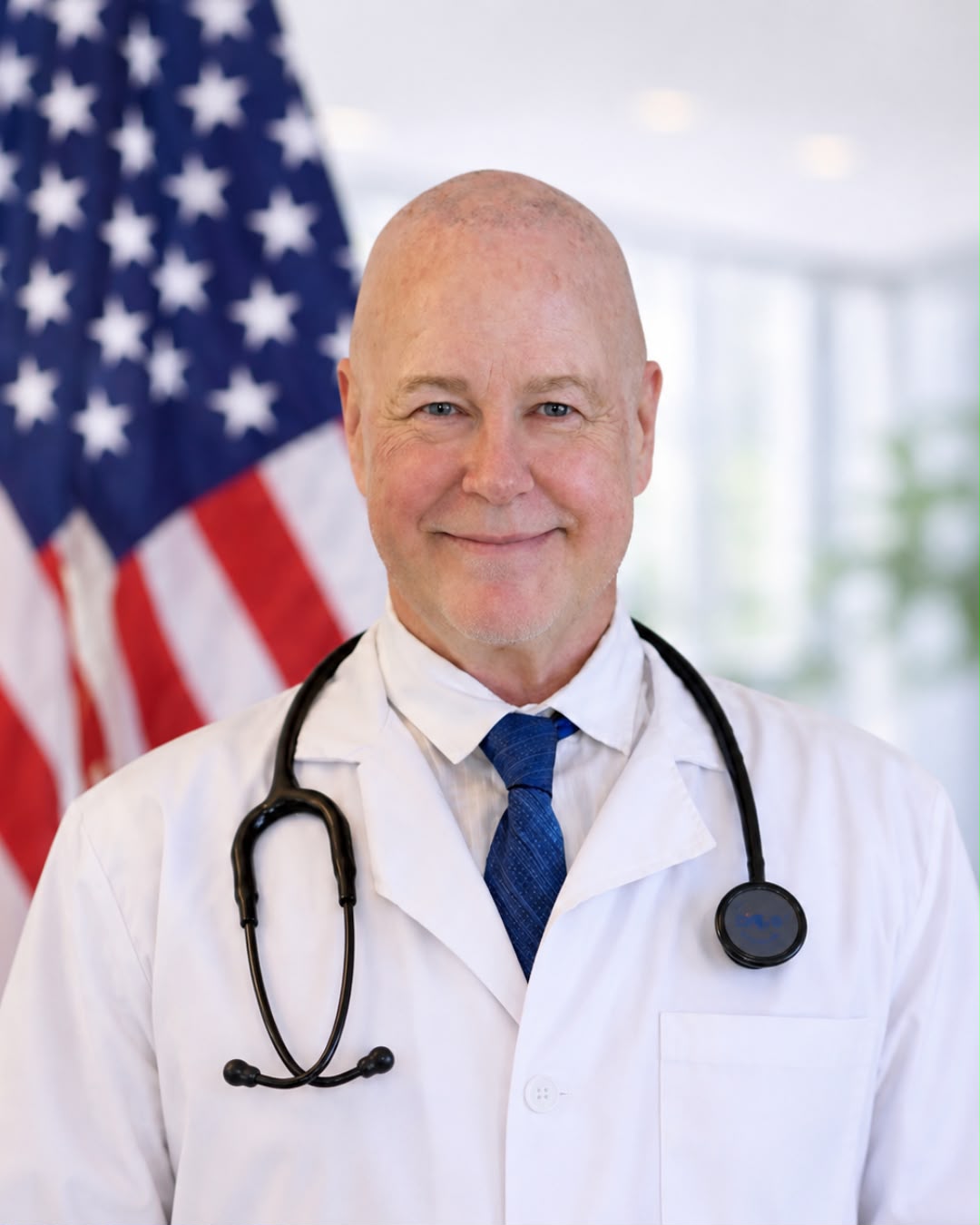
Gregory L. Smith, MD MPH
CEO, Head Physician
Dr. Smith is a residency-trained, board-certified physician in Occupational Medicine who completed his training at Walter Reed Army Medical Center and holds a Master of Public Health from Harvard. A former U.S. Army Medical Corps Major and Certified Life Care Planner, he has decades of experience in medical-legal review, disability evaluation, and preventive medicine.

Robert D. Smeed, Jr., DO
Head Psychiatrist
Dr. Smeed is an ABPN board-certified psychiatrist who completed his residency at Wayne State University’s Department of Psychiatry and Behavioral Neuroscience. He spent twelve years as an outpatient psychiatrist at the C.W. Young VA Medical Center, including two as Chief of its Treatment Resistant Depression and Neuromodulation Clinic. He is licensed in Florida and New York.

Madison Baldwin
COO
Madison has an extensive background in medical aesthetics, client advisory, real estate, and technology sales, and is currently pursuing her nursing degree. Madison is dedicated to building patient-centered, efficient, integrity-driven systems that ensure veterans receive timely, high-quality support in securing the benefits they have earned.
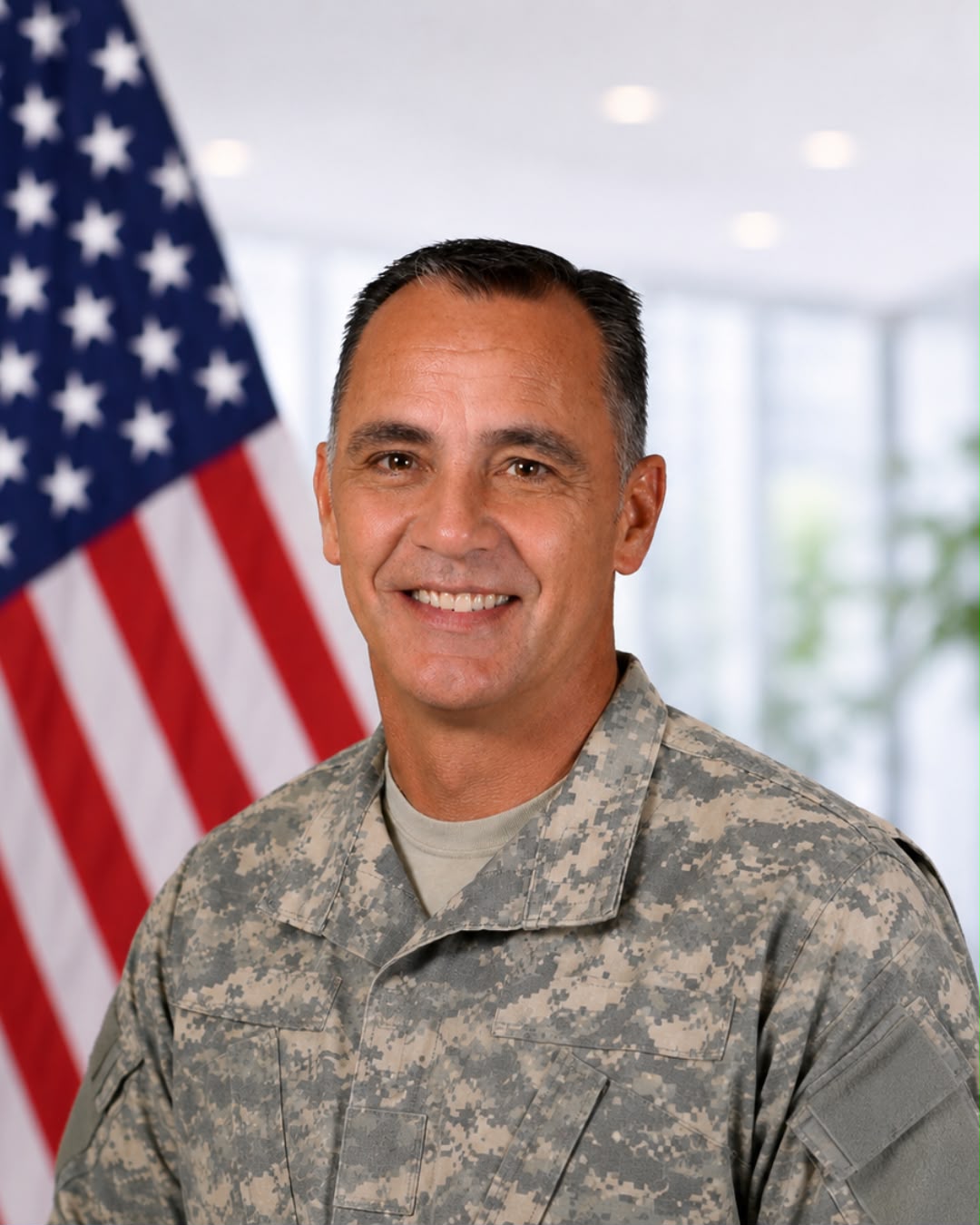
Gregory Taylor, RN
Head Nurse
Gregory is a Registered Nurse and former U.S. Army Sergeant Major (E9) with 30 years of combined active-duty and reserve service. Beginning his military career as an Infantry Soldier and later serving as a Combat Medic, he went on to provide critical care in ICU and emergency department settings, as well as nearly seven years as a psychiatric nurse at Bay Pines VA supporting veterans in both inpatient and outpatient mental health.

Aubree Shumway, RN, BSN
Director of Nursing
As a Michigan native and an Emergency and Trauma Nurse since 2020, I have always thrived in fast-paced, complex environments. I went to the University of Detroit Mercy and graduated with my degree in Nursing as a BSN, RN. At Nexus Veteran MD, I enjoy diving into intricate medical cases from the ground up and uncovering unique insights that rarely surface in everyday clinic visits. With several family members who have served in various branches of the military, this work is deeply personal to me, and I am incredibly proud to support our veteran community.
Service area
Based in Tampa Bay, working with veterans nationwide
Nexus Veteran MD is based in the Tampa Bay area and works with veterans throughout the United States. Wherever you are and wherever you served, the records review and the medical opinion work the same way.
Common questions
Frequently asked questions
What is a VA nexus letter?
A written medical opinion connecting a veteran’s current diagnosed condition to an event or exposure during their military service. It’s used as supporting evidence in a VA disability claim.
Does a nexus letter guarantee my claim will be approved?
No. It’s one piece of evidence. The VA makes the final decision based on your entire claim file, not on any single document.
Do I need one for every claim?
Not necessarily. If your existing service and medical records already clearly establish the connection, you may not need one. It’s most useful when that link isn’t obvious from the record.
What's the difference between a nexus letter and a DBQ?
A nexus letter addresses whether a condition is related to service. A Disability Benefits Questionnaire documents the current severity of a condition. Different purposes, sometimes used together.
Can you tell me what rating I'll get?
No. Ratings are determined by the VA based on your full claim, not by any outside medical provider. We can’t and won’t guarantee a specific rating or outcome.
What records do I need to provide?
Generally your service treatment records, VA or private medical records related to the condition, and any prior claim decisions. We’ll tell you if anything else is needed after an initial review.
Start here
Send us your records. We'll tell you what the evidence supports.
No obligation, and a straight answer either way, including if we don’t think a medical opinion would help your claim.
Your consent for records handling and contact is collected on the form, unchecked by default.